The Work Behind Wonder
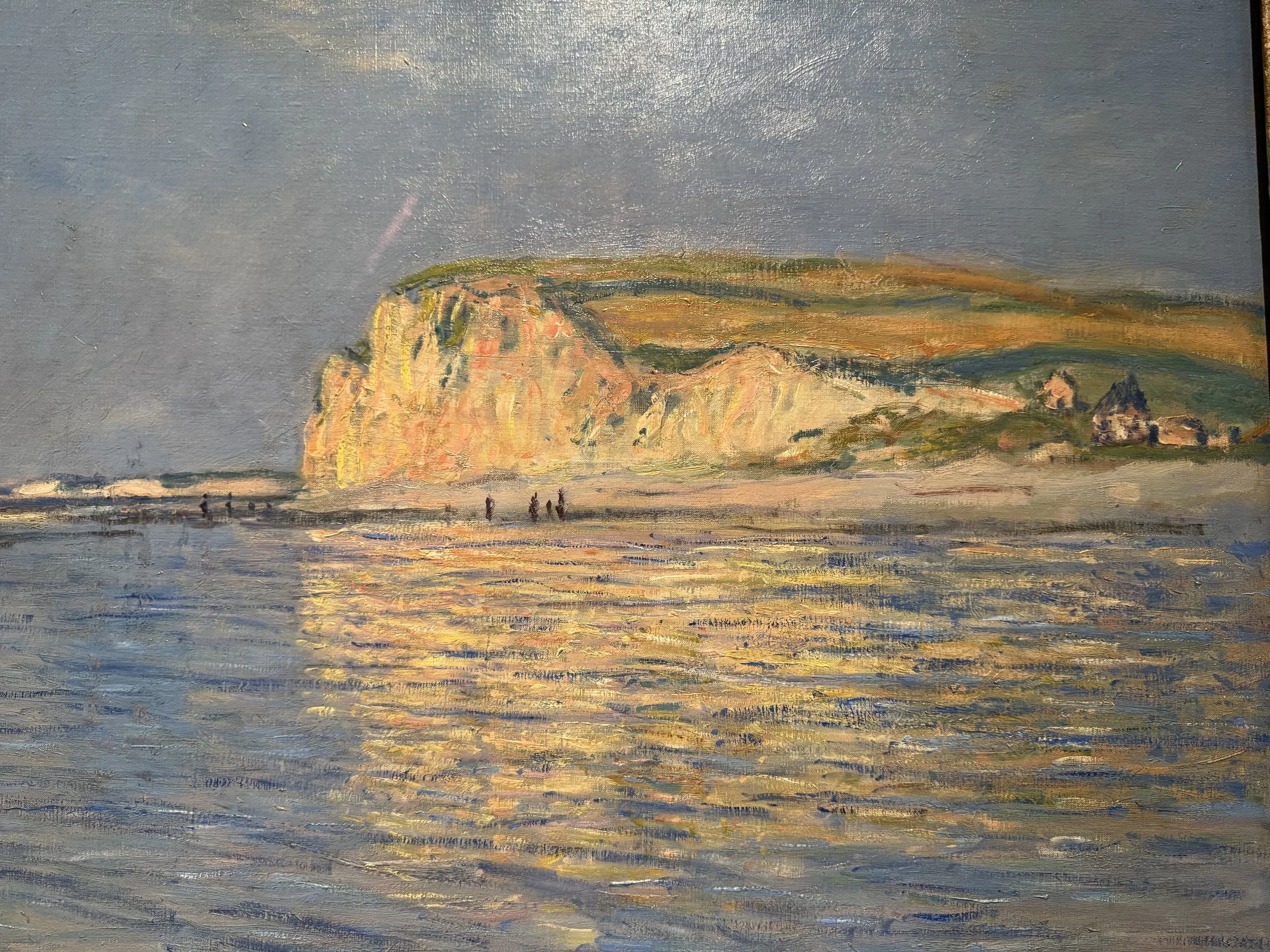
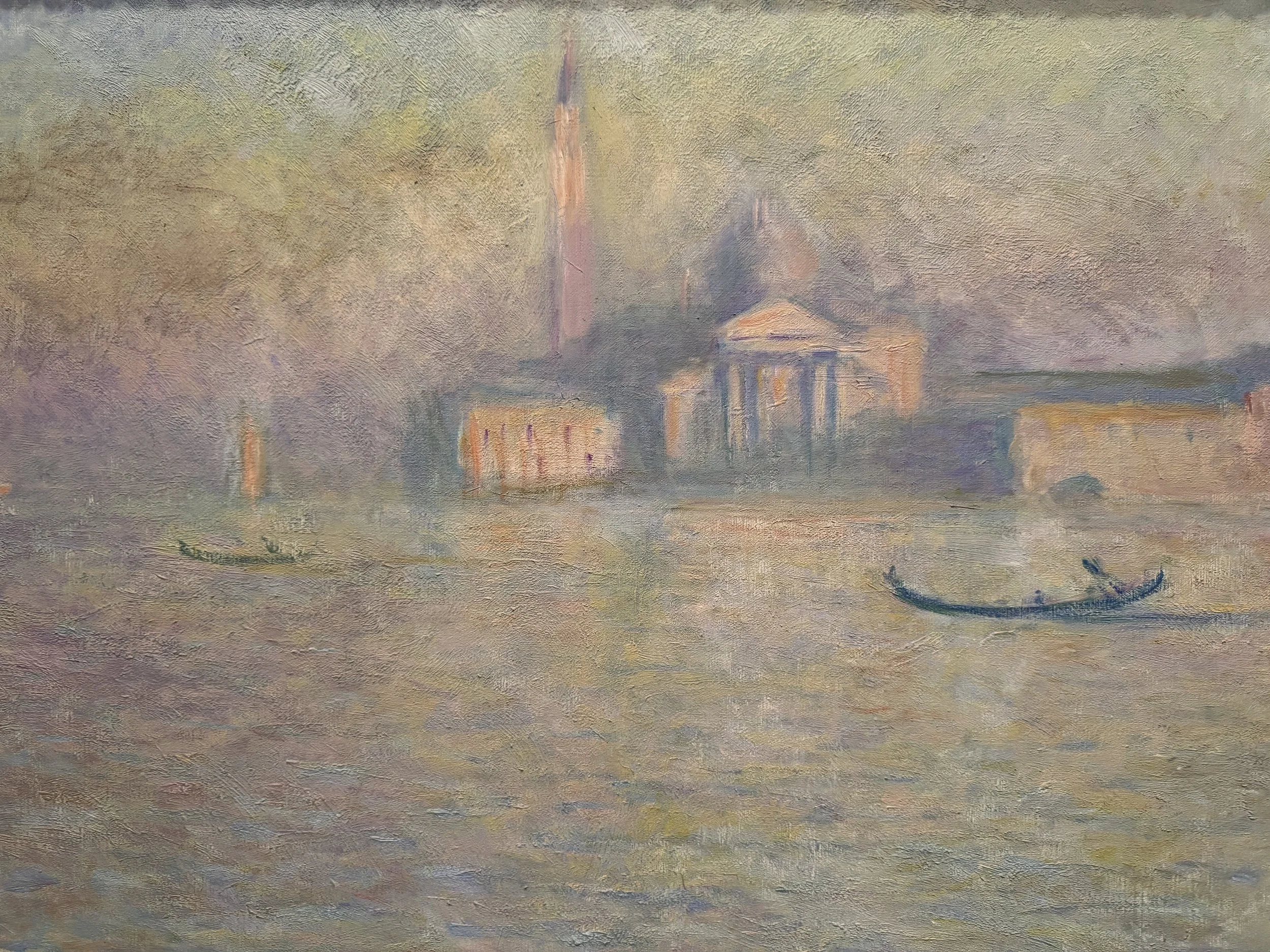
There’s a particular magic in seeing Monet’s Venice series in person at the de Young—the print in a book and the pixels on a screen can’t fully capture it. Being there with friends made it even richer, because we found ourselves happily dissecting the genius. One friend noticed hidden crimson tones vibrating inside the blues; another caught the tiny, fleeting stroke of a gondola that made the monumental stillness of the architecture feel suddenly alive. And I see how, after Venice, the water lilies began to dissolve further into abstraction.
In that moment, the paintings felt effortless. At times, we all wanted to be extraordinary at something we do. Standing before Monet’s work, I was wondering - whether such a talent also descends on a person like a blessing.
Around the same time, a friend recommended I, Claude Monet on Kanopy. Watching it brought me back to that question from another angle. Built from Monet’s letters and private writings, I, Claude Monet lets his own voice guide the story—through ambition and poverty, doubt and grief, and his lifelong obsession with light and color. It follows him through the places that shaped his vision—Normandy, Paris, London, Giverny, Venice—and shows how the luminous beauty of his paintings emerged from a life often marked by anxiety, loneliness, and relentless work.
At one point, Monet says, “When I look at nature, I feel as if I’ll be able to paint it all and capture everything … then it vanishes.” Elsewhere, he admits, “Colors pursue me like a constant worry.” Those lines stayed with me. They suggest that even if the gift was real, it was not peaceful. His genius was not only inspiration; it was pressure, pursuit, and an almost painful sensitivity to what others might simply pass by.
We all understand, in theory, that mastery requires years of practice, failure, patience, and return. But watching I, Claude Monet made that truth feel almost unbearable. His suffering seemed to exceed the kind of discipline I can easily imagine. It was a life lived under constant pressure.
The masterpiece is visible. The battles behind it usually are not. So perhaps the real question is not simply whether we want to be extraordinary, but whether we are willing to endure the struggle that extraordinary work requires.